The Self-Sufficient House: Your Path to Energy Independence
Do you dream of generating your own clean energy and being independent of electricity prices and power outages? A self-sufficient house is no longer a utopia. Our calculator analyzes your needs and shows you which PV system and storage unit will bring you closest to your goal of independence.
✓ Free✓ No Registration✓ GDPR Compliant✓ EU-PVGIS Data
~80%Realistically AchievableA typical single-family home can easily achieve 70–80% grid independence with a modern PV system and battery storage.
100%The Supreme DisciplineComplete grid independence (island system) is technically possible, but requires very precise planning and larger system components.
2–3 DaysBridging CapacityA well-sized storage system can supply your house with electricity for several days without sunshine in the event of a power outage.
€0Free AnalysisFind out without obligation which system size you need for your desired degree of self-sufficiency.
What does energy self-sufficiency mean?
Energy self-sufficiency describes the degree of independence from external energy suppliers. A high degree of self-sufficiency means that you cover the majority of your electricity needs with your own photovoltaic system — making you largely immune to rising electricity prices while enjoying superior supply security. 100% self-sufficiency, also known as an island system, is the complete disconnection from the public power grid. This offers ultimate freedom, but places the highest demands on system planning and technology.
The Stages of Independence
Self-sufficiency is not an all-or-nothing principle. Find the level that suits your goals and your budget.
High Supply Security70–80% Self-Sufficiency
Seasonal Self-Sufficiency90–95% Autarky
Complete Self-Sufficiency100% Island System
Is 100% self-sufficiency really worth it?
The idea is tempting — but the economics follow a harsh law of diminishing returns. The last 20% of independence costs more than the first 80% combined.
80% Grid-Connected
95% Seasonal
100% Island System
Est. System Cost
~€15,000
~€28,000
~€50,000+
PV Capacity
12 kWp
20 kWp
30+ kWp
Battery Storage
10 kWh
25 kWh
40+ kWh
Payback Period
8–10 years
15–20 years
25+ years
Grid as Backup
Available
Rarely needed
Generator required
Annual Grid Bill
~€150–300
~€50–100
€0 (no connection)
Verdict
✅ Recommended
⚠ For idealists
✗ Remote only
The sweet spot for most households is 70–80%.
That range delivers roughly 90% of the independence benefits at around 40% of the cost of a full island system.
Beyond 80%, each extra percentage point requires disproportionately larger storage — sized for rare cloudy winter weeks.
PV Freund's optimizer finds your personal sweet spot automatically.
The 4 Building Blocks for Your Self-Sufficient House
The higher the desired degree of self-sufficiency, the more important the perfect interaction of these four components becomes.
1. Large-Scale PV System
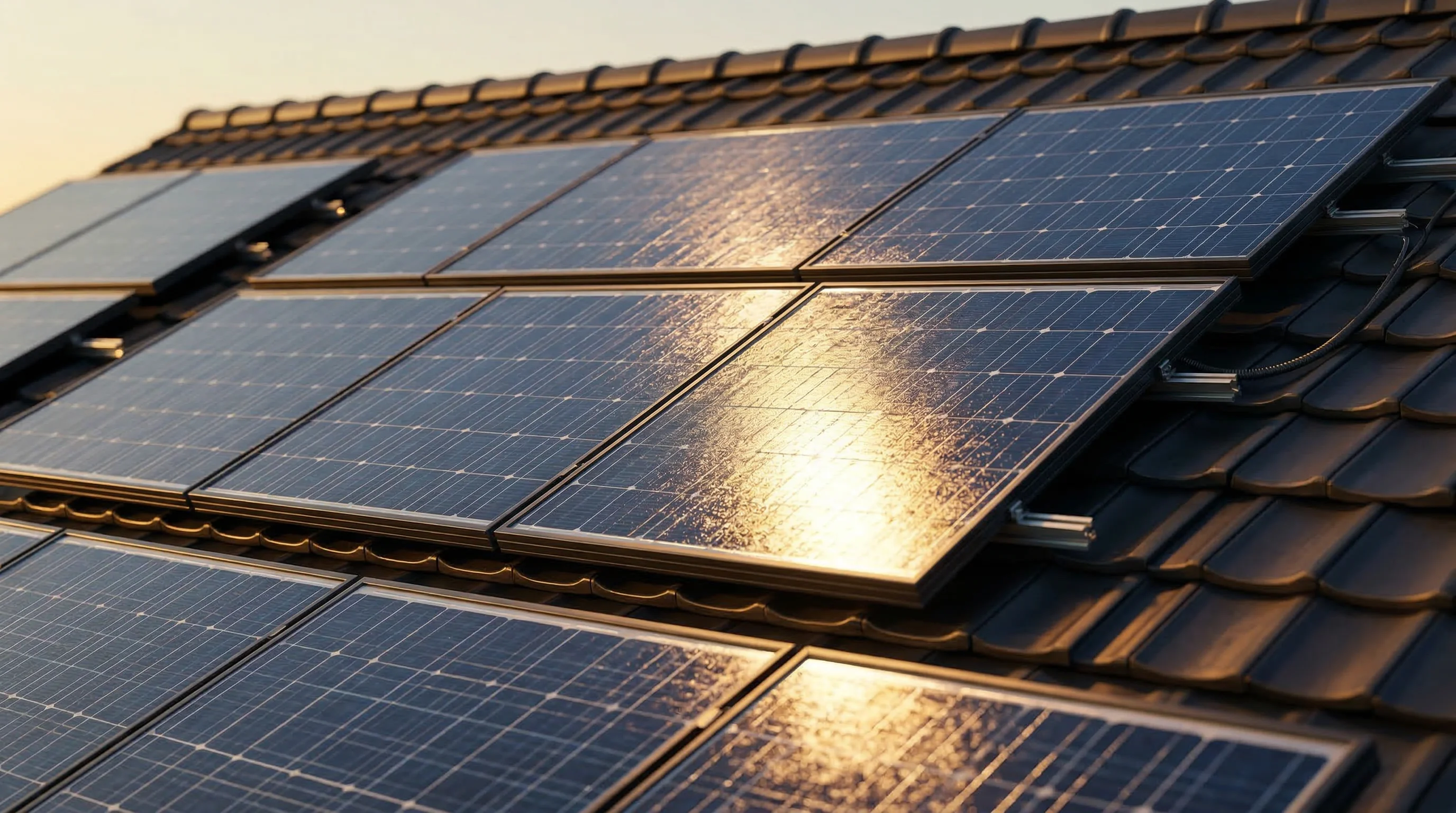
The foundation of any self-sufficient house is a sufficiently large PV system that delivers meaningful yields even on overcast days and during winter months. Roofs and facades are often combined to maximize annual output.
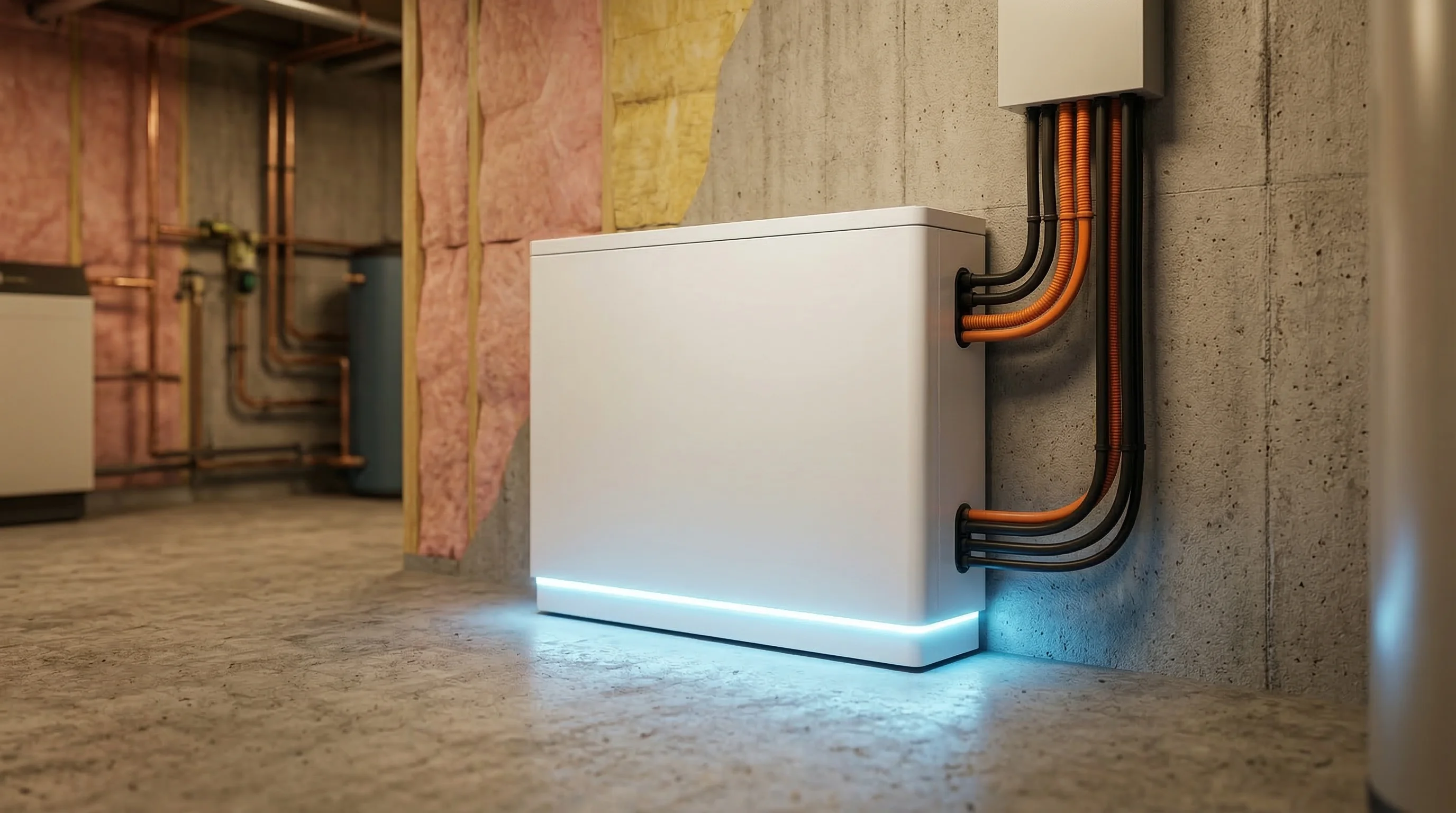
2. Large Battery Storage
Oversize it and you waste money. Undersize it and you miss your goal. PV Freund's optimizer runs hourly simulations across a full year of weather data to find the exact battery capacity that hits your target self-sufficiency rate at the lowest cost — no rule-of-thumb, no guessing.
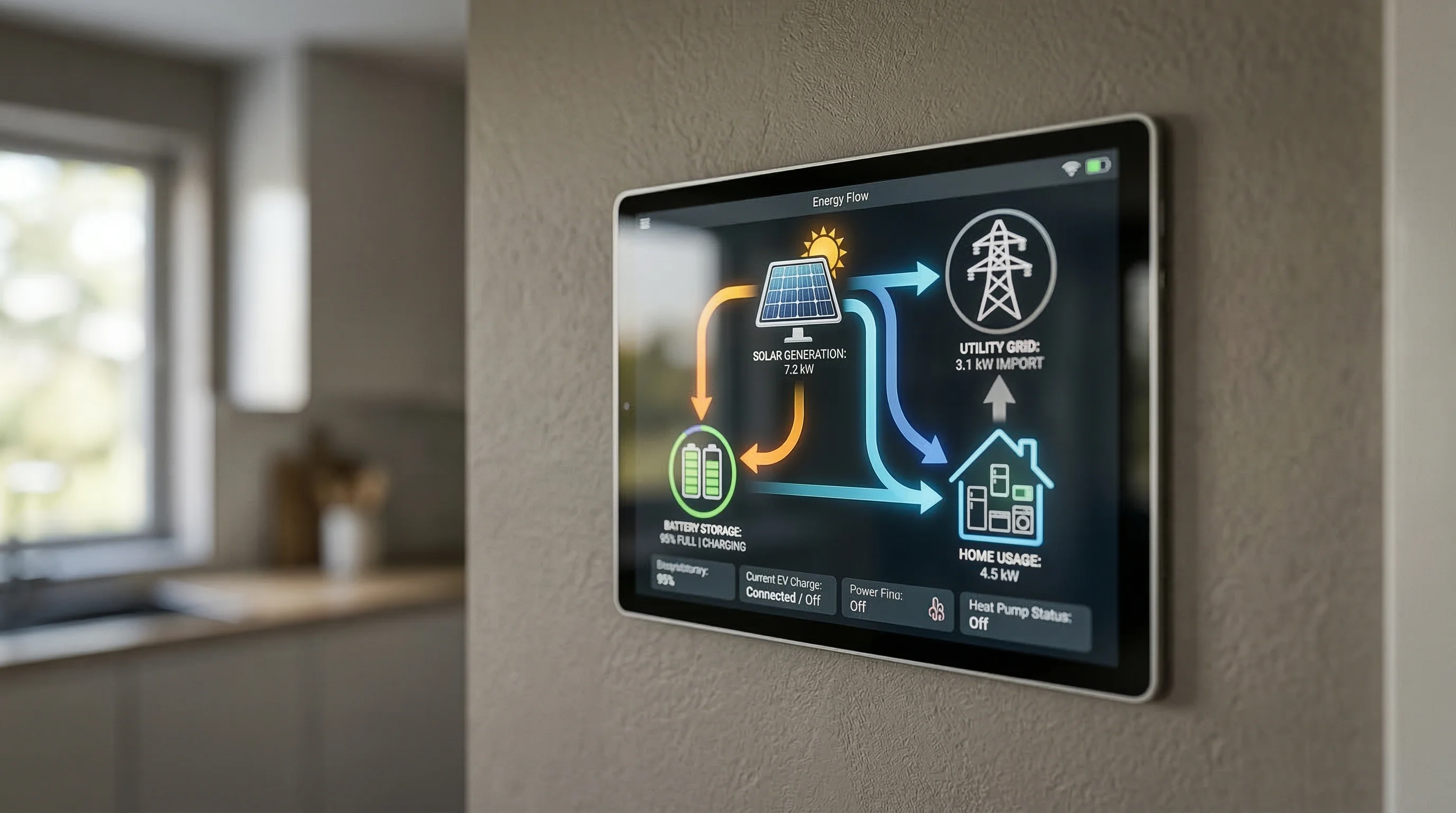
3. Intelligent Energy Management (HEMS)
PV Freund's simulation already models smart energy routing in its hourly calculations — deciding when to charge the battery, pre-heat via the heat pump, or charge the EV. The system size it recommends assumes a HEMS is in place, so your real-world self-sufficiency will match the plan.
4. Emergency Power & Backup
PV Freund surfaces the backup capability of every system configuration it recommends. You can see before spending a cent whether your planned setup will keep your home running during a grid outage — and whether a generator is needed as a final safety net for your target independence level.
Going Further: Three Levers That Make the Difference
Once your core system is sized, these three factors determine whether you achieve 70% or 95%+ self-sufficiency — without proportionally increasing costs.
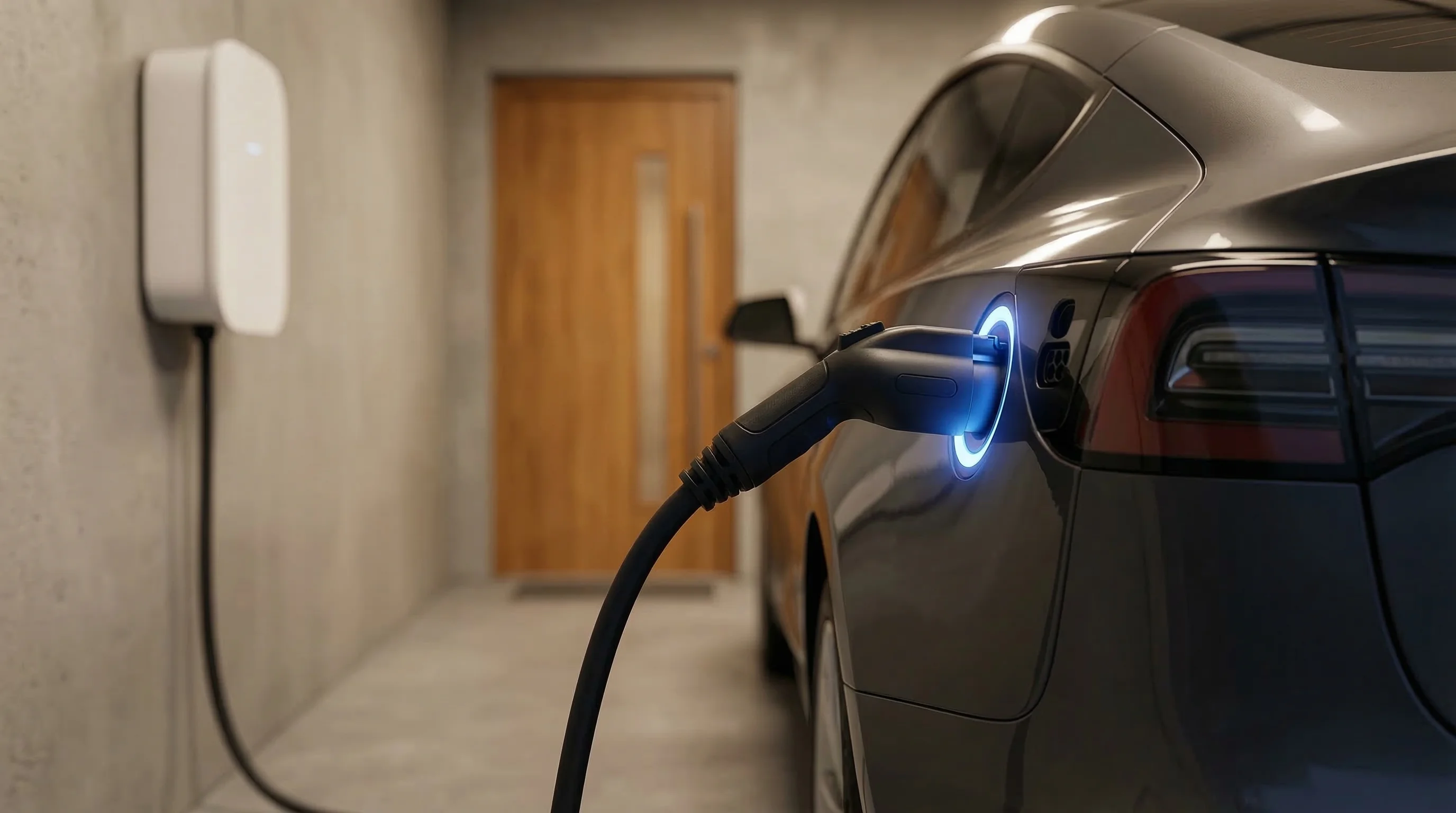
Your EV as the Biggest Battery in the House
Vehicle-to-Home (V2H)
PV Freund is one of the few calculators that natively models V2H. Toggle on your EV in Step 3, enter your car's battery size and driving schedule — the optimizer treats your car as household storage. A 50 kWh EV battery covers over 3 days of typical household consumption, often meaning you can hit your self-sufficiency target with a significantly smaller (and cheaper) home battery.
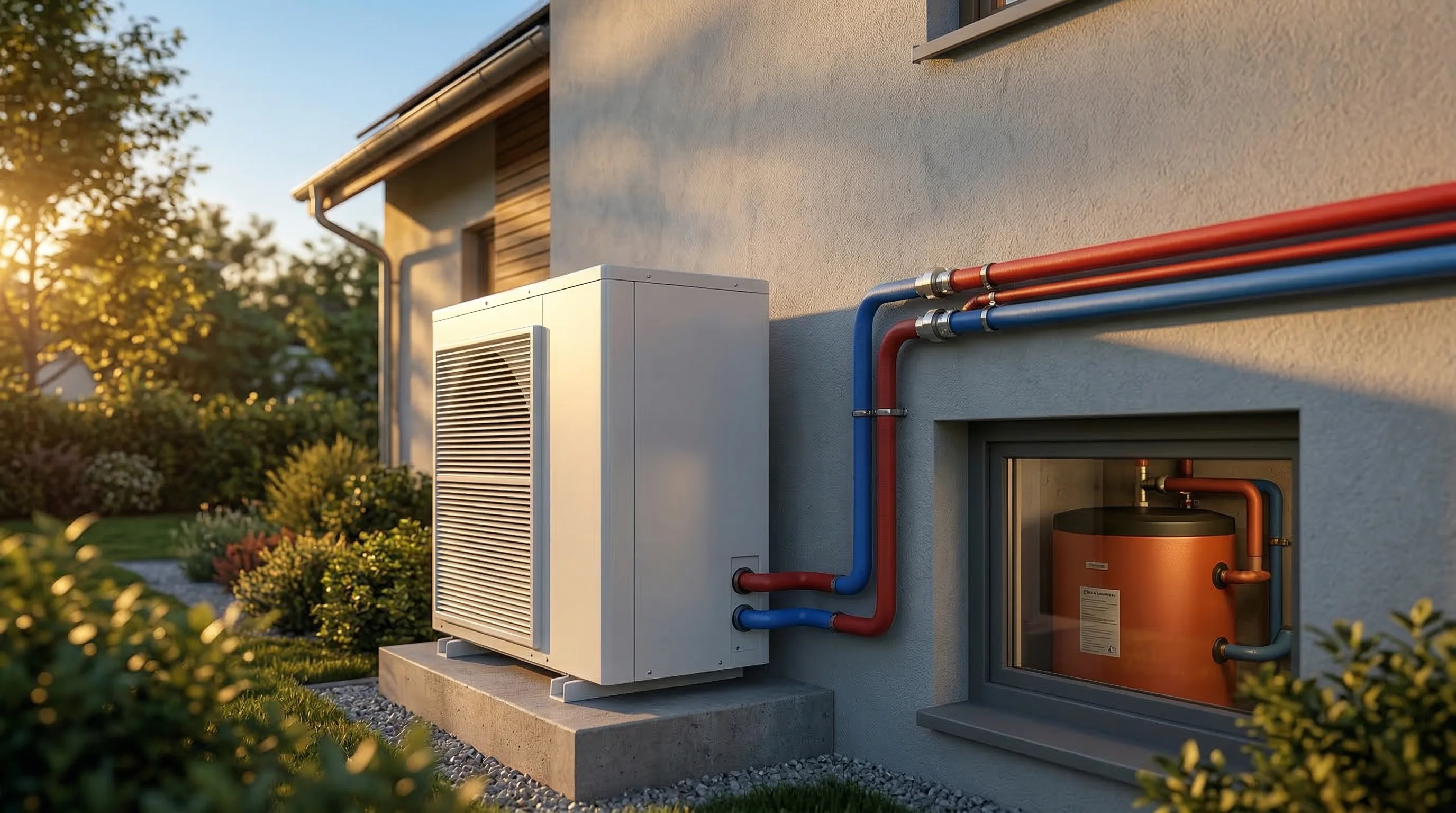
Store Energy as Heat — Without Battery Losses
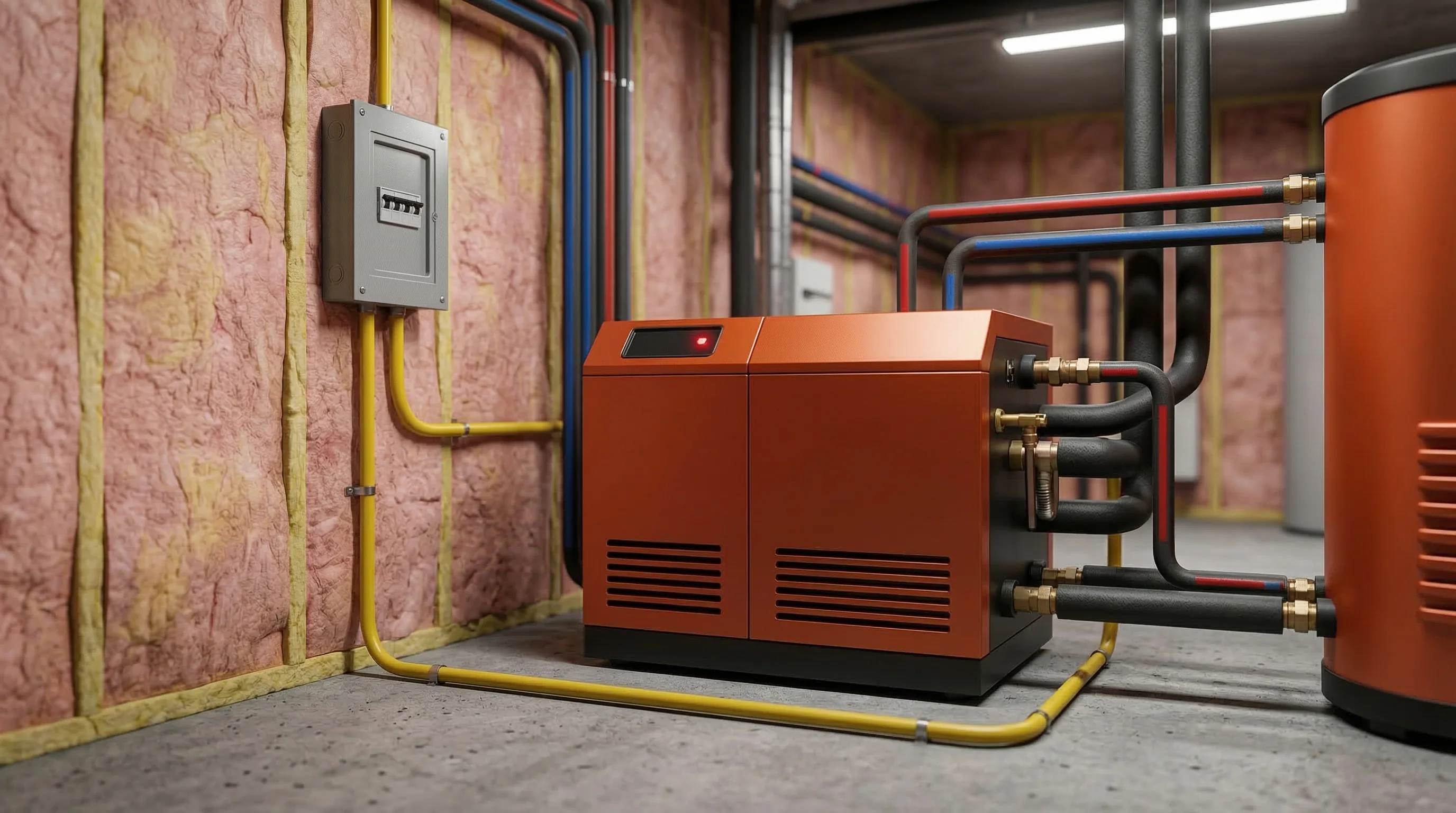
Heat Pump + Thermal Buffer
Toggle on your heat pump in Step 3. PV Freund automatically schedules pre-heating during solar peak hours using PVGIS climate data for your location, accounting for Carnot COP at real local air temperatures. Your self-sufficiency result already includes heating demand — not just electrical consumption — so the number you see is the one you'll actually achieve.
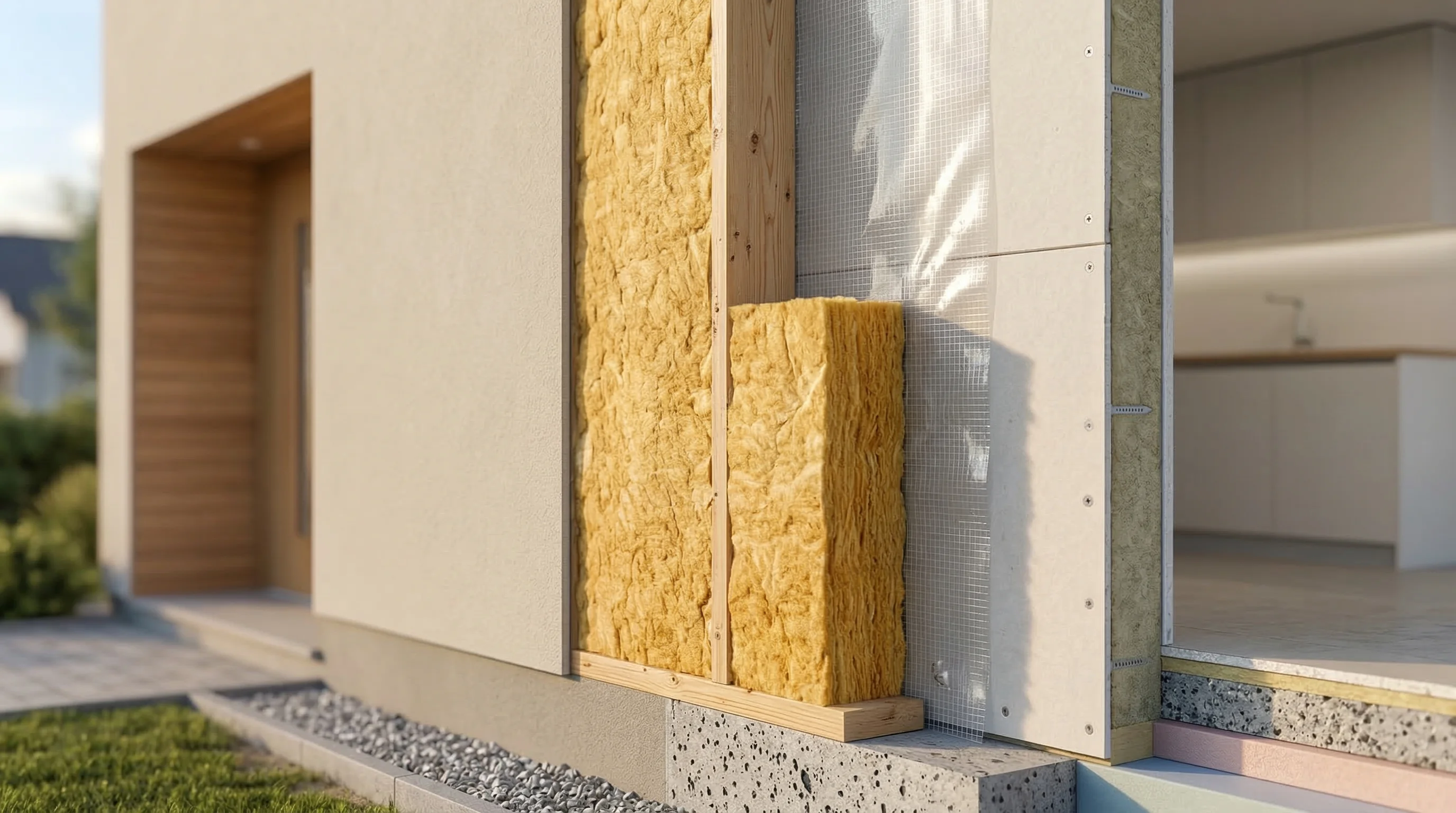
The Cheapest kWh is the One You Don't Need
Building Insulation
Every kWh of demand reduced by good insulation is a kWh your PV system and battery don't have to cover. Cutting annual consumption from 5,000 kWh to 4,000 kWh effectively increases your self-sufficiency rate by ~10 percentage points — without adding a single solar panel. Enter your actual consumption in Step 3 and PV Freund sizes everything around your real number.
How PV Freund Plans Your Self-Sufficient House
1
Enter your address & roof
PV Freund maps your actual roof surfaces via Google Maps, measures usable panel area, and models shadows from chimneys and neighbouring buildings — so calculations reflect your real situation, not a generic average.
2
Set your self-sufficiency goal
Tell PV Freund how independent you want to be — 70%, 95%, or 100%. Add your electricity consumption, EV, or heat pump. The tool adapts the entire calculation to your specific household profile.
3
Get your personalised system plan
The optimizer returns the exact PV capacity, battery size, annual savings, and payback period for your home — based on real PVGIS solar data for your location, not rule-of-thumb estimates.
Frequently Asked Questions about the Self-Sufficient House
How big does my storage need to be for 80% self-sufficiency?
As a rule of thumb: about 1 to 1.5 kWh of storage capacity per 1,000 kWh of annual electricity consumption. For a household with a consumption of 5,000 kWh, a storage of 5–8 kWh is a good starting point for high self-sufficiency. Our calculator determines the exact value for your specific situation.
Can I supply myself only with solar power in winter?
A 100% solar supply in winter is extremely difficult and expensive in Central Europe, as there can be weeks with little sun. To bridge a few days, you need a very large storage unit. For complete winter self-sufficiency, a second energy source (e.g., CHP, wood gasifier) is usually necessary as a backup.
How much does a self-sufficient house cost?
It depends heavily on your target. A 12 kWp system with 10 kWh of storage for ~80% self-sufficiency costs roughly €15,000. Pushing to 95% (20 kWp + 25 kWh) typically runs €25,000–30,000. A full island system at 100% — with the massive oversizing required to bridge dark winter weeks — starts at €50,000 and often requires an additional backup generator. PV Freund's calculator shows you the exact cost for your roof, location, and target.
What payback period should I expect for 80% self-sufficiency?
At 80% self-sufficiency, a well-sized system typically pays back in 8–10 years, after which electricity savings are pure profit. At 95%, payback stretches to 15–20 years because the additional hardware (larger panels and storage) is only fully used during a few dark weeks per year. At 100% island systems rarely achieve financial payback at all — they are a lifestyle choice, not an investment. The 70–85% range consistently offers the best return on investment for grid-connected households.
Ready for the First Step?
Find out which degree of self-sufficiency makes the most sense for you personally. The analysis is free and only takes a few minutes.